

Travel Information
ICRER 2027 brings delegates to Melbourne from across Europe, Asia, the Americas and Africa. Almost everyone travelling to Australia needs a visa arranged before they leave home, and for many delegates this will be a long flight into an unfamiliar country. This page covers what to organise before you go, and what to expect when you land.
We acknowledge the Wurundjeri Woi Wurrung people of the Kulin Nation as the Traditional Owners of the land on which ICRER 2027 is held, and pay our respects to their Elders past and present.
Quick facts
Airport
Melbourne (MEL), Tullamarine — 23 km from the venue
February weather
Late summer — average 26°C by day, 15°C overnight
Time zone
AEDT, UTC+11 during the conference
Currency
Australian dollar (AUD). Cards accepted almost everywhere
Power
230 V, 50 Hz, Type I plug — bring an adapter
Visa
Required before travel for all but Australian and New Zealand citizens. See more information below.
Visa Applications
Australia does not issue visas on arrival. Your visa must be approved before you board your flight, so this is the first thing to organise once your attendance is confirmed.
Do I need a visa to attend ICRER 2027?
Yes, unless you are an Australian or New Zealand citizen. Every other delegate needs a valid visa granted before departure, whatever their passport and however short the visit.
When should I apply?
Start at least three months before you travel. Most delegates receive a decision within days, but applications that need extra documents, biometrics or additional checks can take considerably longer.
Do not book non-refundable travel yet
Wait until your visa is granted before committing to flights. Check current visa processing times for the visa you are applying for.
Which visa should I apply for?
If you are attending, presenting or chairing without being paid by an Australian organisation, one of the three visitor visas below will cover you. Which one you can use depends on the passport you hold.
| Visa | Who it is for | Stay | How to apply |
|---|---|---|---|
| eVisitor (subclass 651) | Passport holders from the United Kingdom and most European countries. Free of charge. | Up to 3 months per entry, valid 12 months | Online, through ImmiAccount |
| Electronic Travel Authority (subclass 601) | Passport holders from a separate list of countries, including Canada, Japan, Malaysia, Singapore, South Korea and the United States. A service charge applies. | Up to 3 months per entry, valid 12 months | Through the Australian ETA app |
| Visitor visa, Business Visitor stream (subclass 600) | All other passport holders. An application charge applies and more supporting documents are required. | Usually up to 3 months | Online, through ImmiAccount |
Eligibility and charges are set by the Australian Government and change from time to time. Rather than rely on this page, confirm what applies to your passport using the official Visa Finder.
What if I am being paid to speak, exhibit or work at the conference?
Visitor visas do not cover paid work. If you are being remunerated by an Australian organisation to speak, or you are working at the conference as an exhibitor or contractor, you will most likely need a Temporary Activity visa (subclass 408), which requires an Australian sponsor, or a Temporary Work (Short Stay Specialist) visa (subclass 400) where there is no sponsor. Both take longer than visitor visas, so allow additional time.
How do I get a letter of invitation?
A letter of invitation supports a visa application but does not guarantee a grant. To request one:
- Register for ICRER 2027 and pay your registration in full.
- Contact the Conference Secretariat with your full name exactly as it appears in your passport, your passport number, nationality and date of birth.
- Allow several working days for the letter to be issued.
Letters are issued only to delegates who have registered. The Secretariat cannot advise on visa applications or intervene in a decision.
Will I need to provide biometrics or a medical?
Some applicants are asked to provide fingerprints and a photograph at a collection centre as part of the application. All applicants must meet health and character requirements, and a medical examination is occasionally requested. You will be told during the application if either applies to you.
Does my passport need to be valid for a certain period?
Check your passport well ahead of time and renew it before you apply if it is close to expiring. If you renew after a visa is granted, the visa must be linked to your new passport before you travel.
Can the conference help with my application?
The Secretariat can issue a letter of invitation to registered delegates, and that is the extent of what the conference is able to do. Visa decisions rest entirely with the Australian Government, and neither the organising committee nor ASN Events can advise on, expedite or appeal an application.
Arriving in Australia
Always declare food, plant and animal products
Australia has some of the strictest biosecurity rules in the world. Food of any kind, including snacks from the plane, plus plant material, wooden items and anything made from animal products, must be declared on your Incoming Passenger Card. Declaring something costs you nothing and it may well be allowed through. Failing to declare it can mean an on-the-spot fine or, for visa holders, cancellation of the visa. If you are unsure, tick yes. See the Australian Government's biosecurity advice for travellers.
Passport control
Holders of eligible ePassports can use the SmartGate automated system, which is usually quicker than the staffed queues. Everyone else is processed by an officer. Have your Incoming Passenger Card completed before you reach the hall.
Allow time on arrival
Most flights from Europe and North America land early in the morning after a long overnight sector. Clearing immigration, baggage and biosecurity commonly takes an hour or more at peak times.
Discover Melbourne - Your Host City
Getting around Melbourne
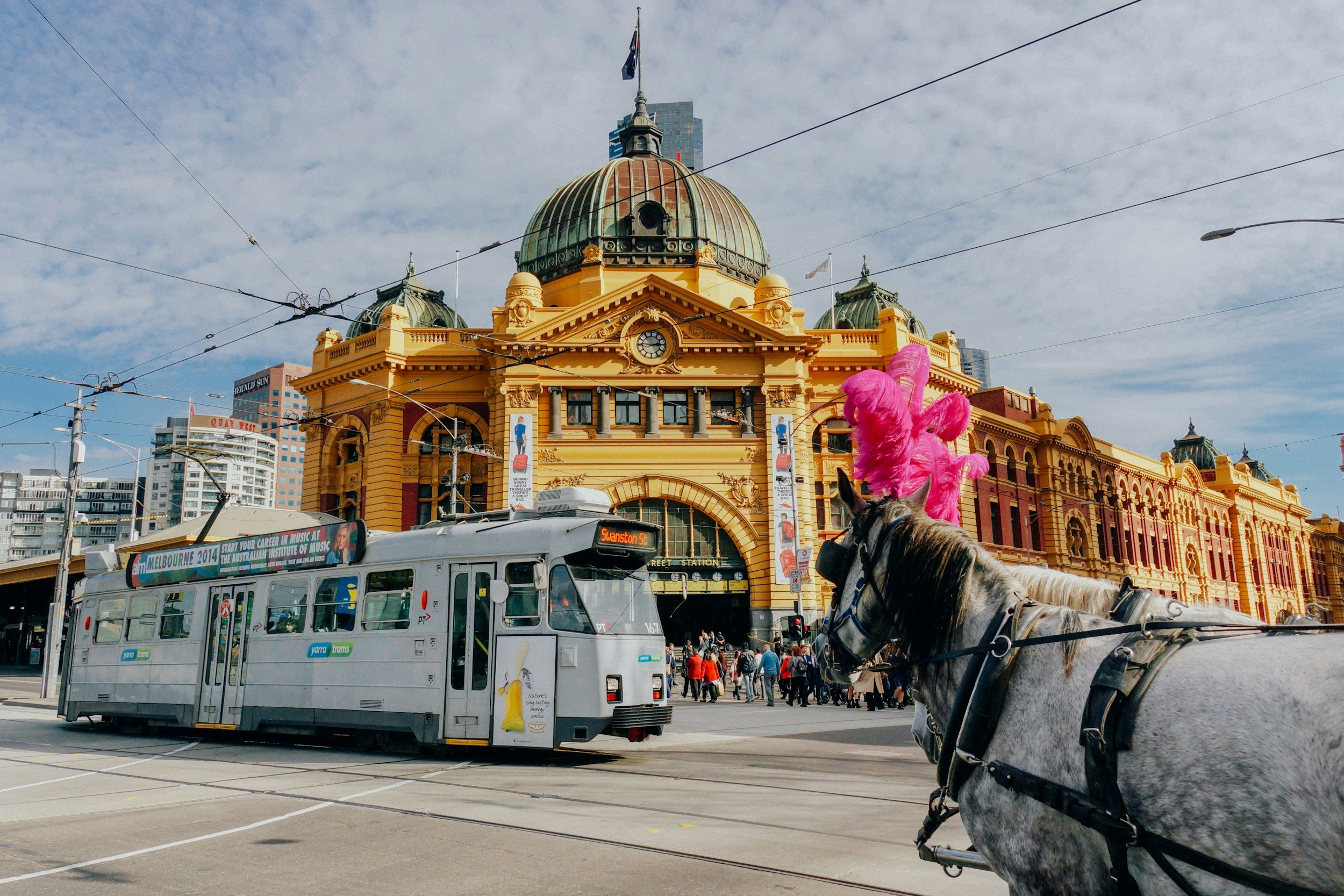
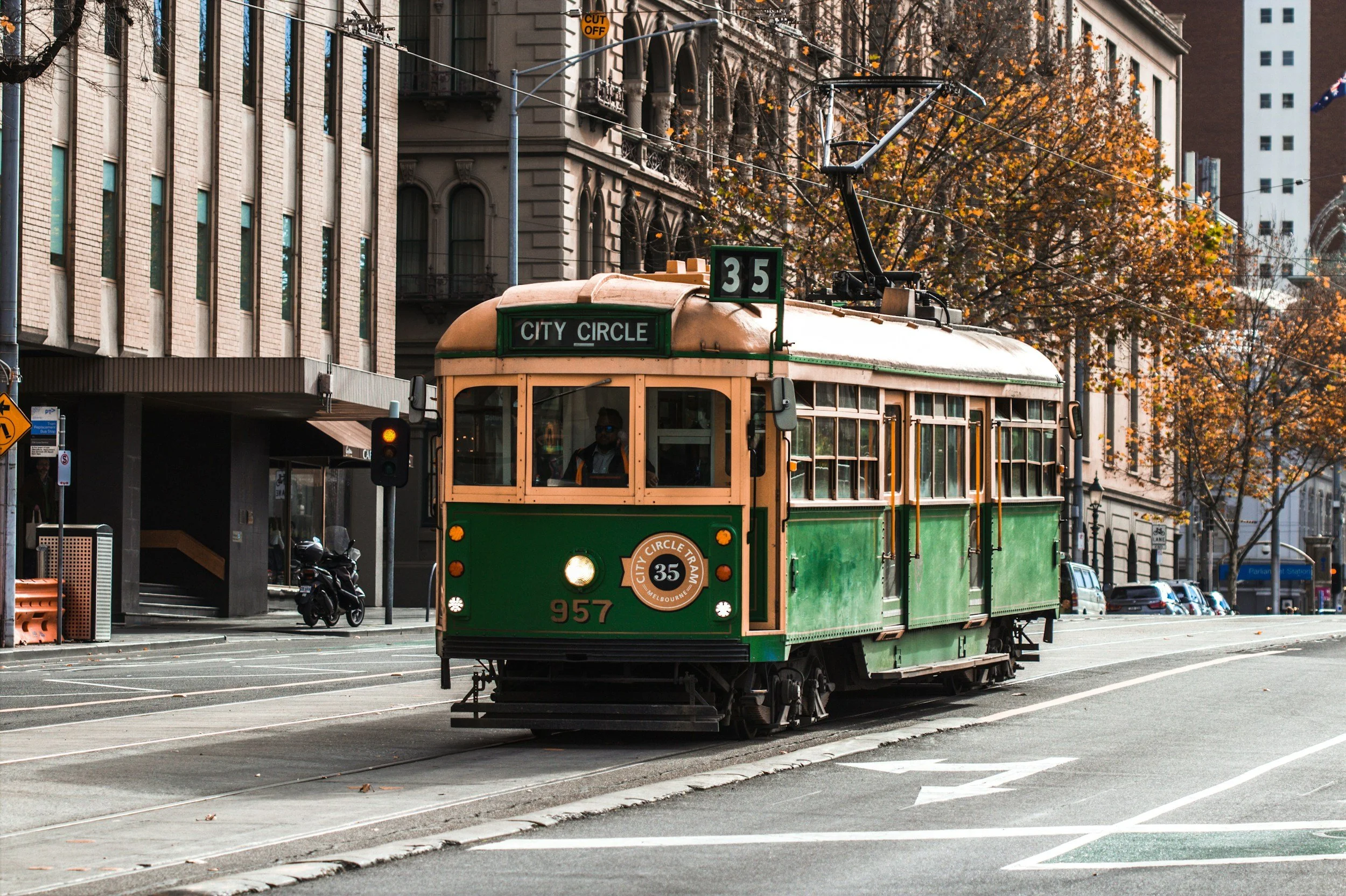
Melbourne runs the largest tram network in the world, alongside suburban trains and buses. The city centre is compact, flat and easy to walk.
You no longer need a myki card
Trams, trains and metropolitan buses now accept contactless payment - tap on with the same Visa or Mastercard, phone or watch you already carry, and tap off at the end of your trip. Fares match myki fares. Use the same card or device for both taps.
The Free Tram Zone
Trams are free within the central grid and Docklands, which covers the conference venue and most city hotels, restaurants and galleries. No tap on or off is needed inside the zone. If your journey starts or ends outside it, you pay the normal fare.
Practical essentials
Weather and packing
February is late summer. Melbourne averages a maximum of 25.9°C and a minimum of 14.6°C, but the city changes quickly and a run of days above 35°C is not unusual. Pack for warm days and cooler evenings, with something light for rain. Australian sun is stronger than most visitors expect, so bring a hat, sunglasses and high-SPF sunscreen.
Phones and internet
Australia uses GSM 900/1800 and 4G/5G networks. Prepaid SIMs and eSIMs from Telstra, Optus and Vodafone are sold at the airport and in the city. Free wi-fi is available at the airport, in libraries and in most cafes.
Money
The currency is the Australian dollar. Cards and mobile payments are accepted almost everywhere, including on public transport and in taxis, and many venues no longer take cash at all. Prices shown include the 10% Goods and Services Tax, some of which visitors may be able to claim back through the Tourist Refund Scheme on departure.
Health and insurance
Australia's public health system does not cover most visitors, and treatment is expensive without cover. Travel insurance that includes medical costs is strongly recommended. Pharmacies are widespread; bring a copy of any prescription, and check before travelling that your medication may be brought into Australia.
Tipping
Tipping is not expected in Australia. Hospitality staff are paid an award wage. Rounding up or leaving around 10% for exceptional service is welcome but never required, and no one will think less of you for skipping it.
In an emergency
Dial 000 from any phone, free of charge, for police, fire or ambulance. 112 also works from mobile phones. For non-urgent police matters call 131 444. Tap water is safe to drink throughout Melbourne.
The venue
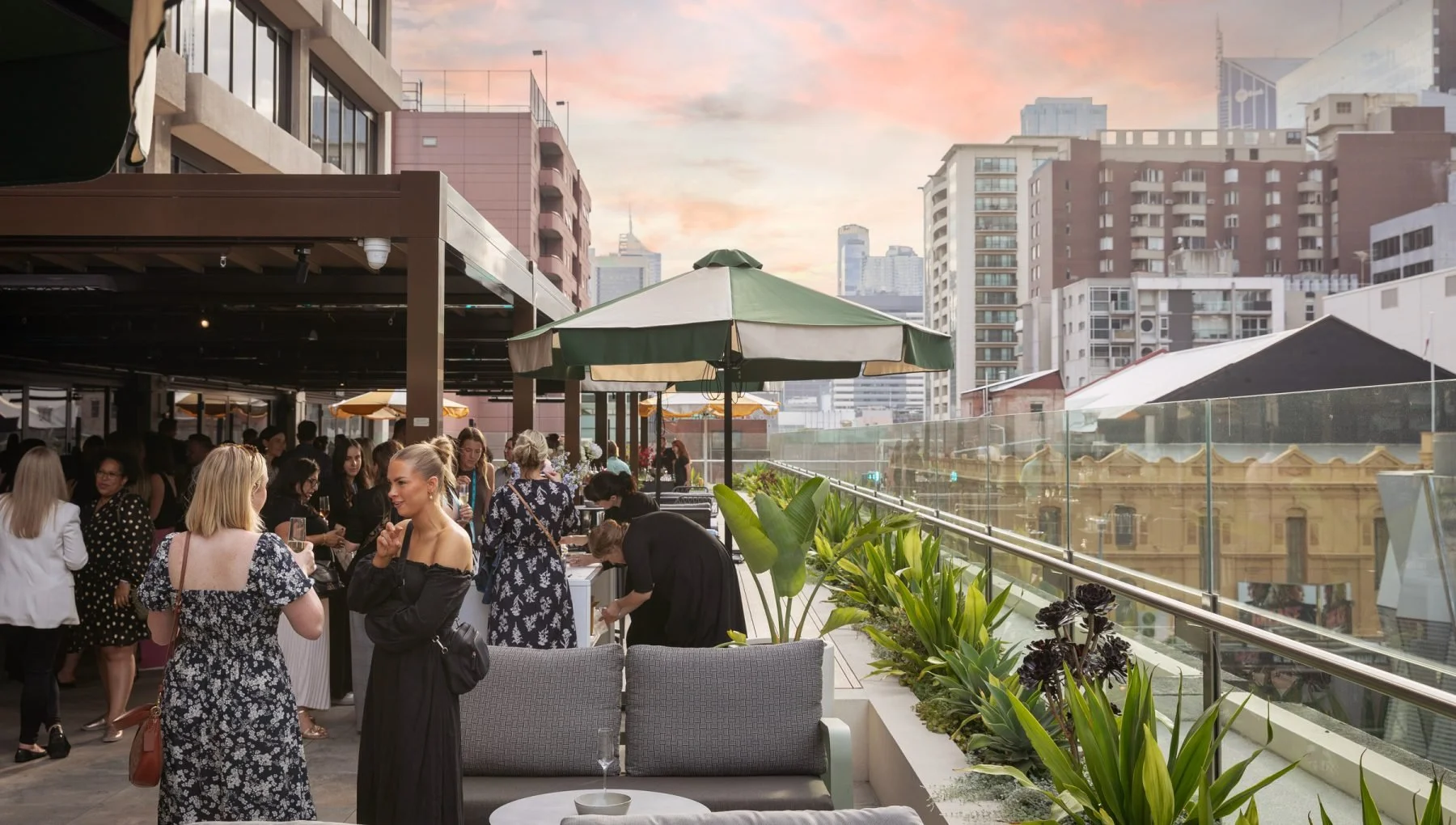
Rydges Melbourne
186 Exhibition Street
Melbourne VIC 3000
The hotel sits in the theatre district at the top of the city grid, a short walk from Parliament
and Melbourne Central stations and inside the Free Tram Zone.
Getting to Melbourne and to the venue
Melbourne Airport (MEL), still widely called Tullamarine, is Australia's second busiest airport and sits about 23 km north-west of the city centre. It operates around the clock, with direct services from Asia, the Middle East, North America, New Zealand and the Pacific. Most delegates travelling from Europe will connect through a hub such as Doha, Dubai, Singapore or Hong Kong. A small number of low-cost international flights use Avalon Airport (AVV), roughly an hour from the city.
Airport to the city
SkyBus runs the Melbourne City Express between the terminals and Southern Cross Station at a fixed fare, day and night, taking around 30 minutes.
Taxis and rideshare take 30–45 minutes to the city depending on traffic, from marked ranks and pick-up zones outside the terminals.
Public buses connect the airport to several suburbs, but are slower and less direct for city-centre hotels.
Ready to join us in Melbourne?
Registration is open, and travel support is available for students and early career researchers.